Padel elbow rarely arrives from one bad shot. It builds up: a handle held too tightly, hundreds of repetitions, and vibration travelling up the forearm on every impact. By the time it hurts, the cause is weeks behind you.
What the name describes is pain on the outside of the elbow, where the forearm extensor tendons attach. Tennis players get it, padel players get it, and so do people who have never held a racket — it is a load problem before it is a sport problem.
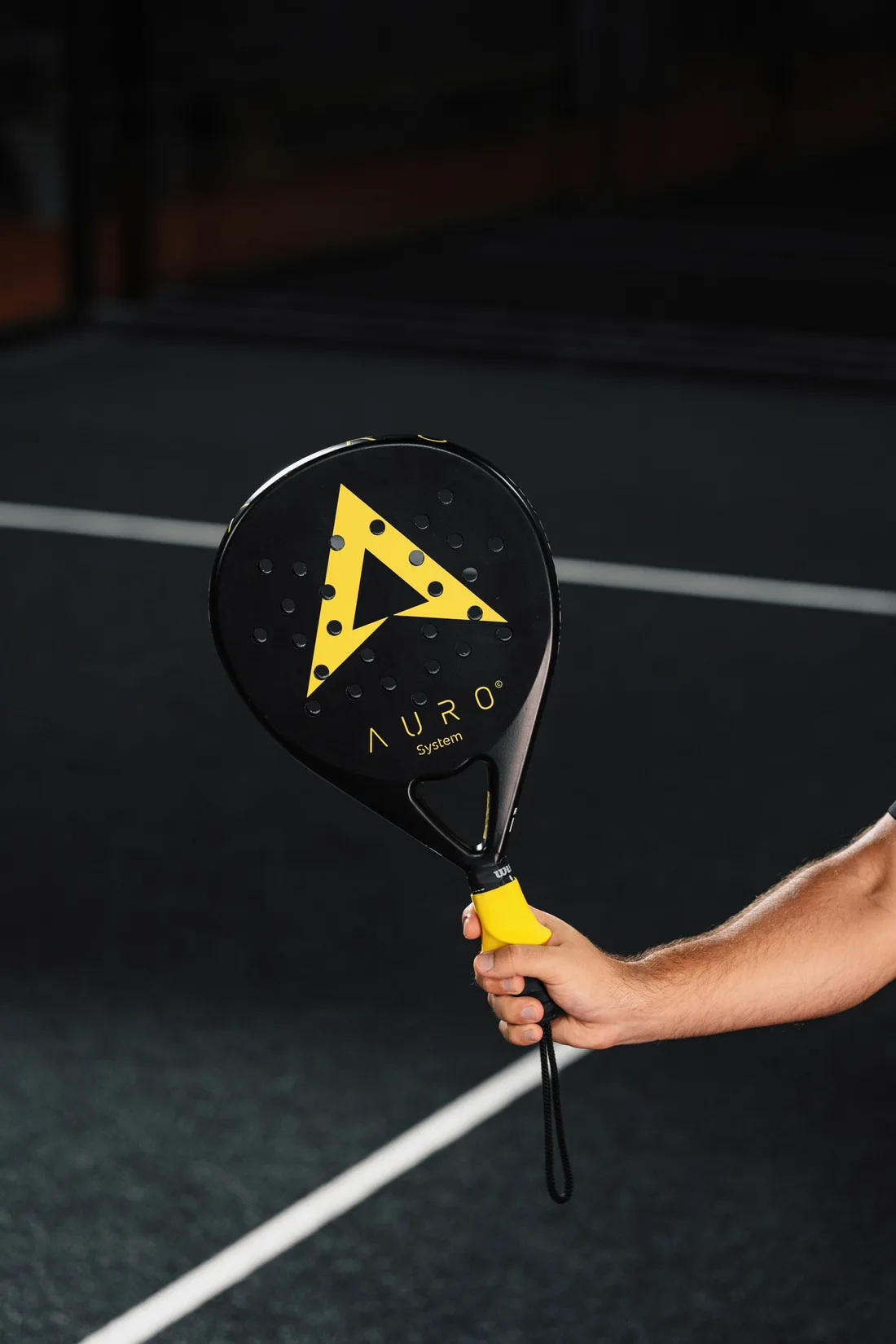
The equipment side is worth checking because it is the part you control in an afternoon. A handle that is too thin makes the hand squeeze harder to feel stable. A worn overgrip that has gone smooth does the same, because grip pressure rises to compensate for what friction is no longer doing. And a grip that shifts between shots means the forearm re-adjusts constantly instead of settling.
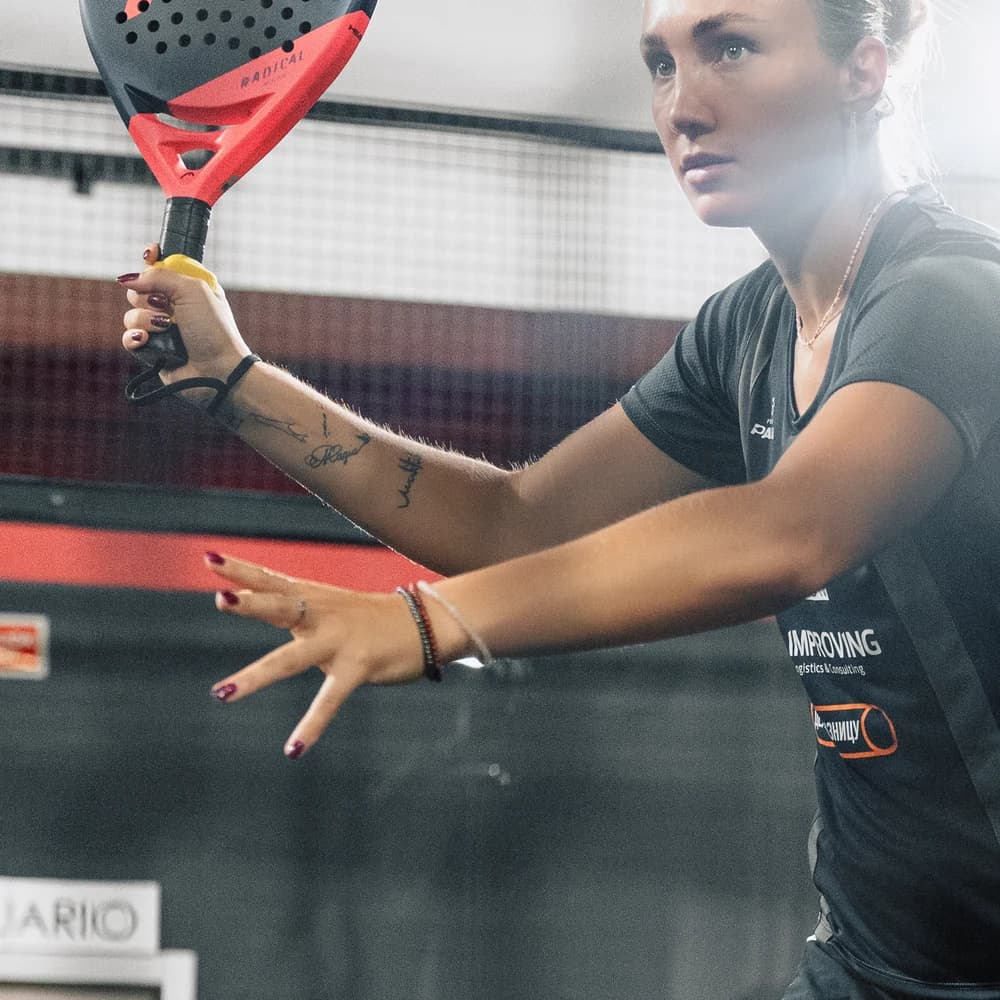
The technique side matters more and takes longer. A continental reference that stays put lets the arm work from the same starting position every time, which is what makes the load predictable. Holding pressure is the other half: most players grip far harder than the shot needs, and the excess goes straight into the forearm.
Four things to check, in order of how cheap they are to fix: whether your overgrip has gone smooth, whether the handle is thick enough for your hand, whether you are gripping harder than the shot requires, and whether your starting position is the same every time.
None of this is a substitute for a diagnosis. Elbow pain has several possible causes and they are not distinguishable from a blog post. If it persists, is sharp, or wakes you at night, see a physiotherapist or a doctor — and keep playing only if they say so.
Next article